UI/UX Designer

HRMS

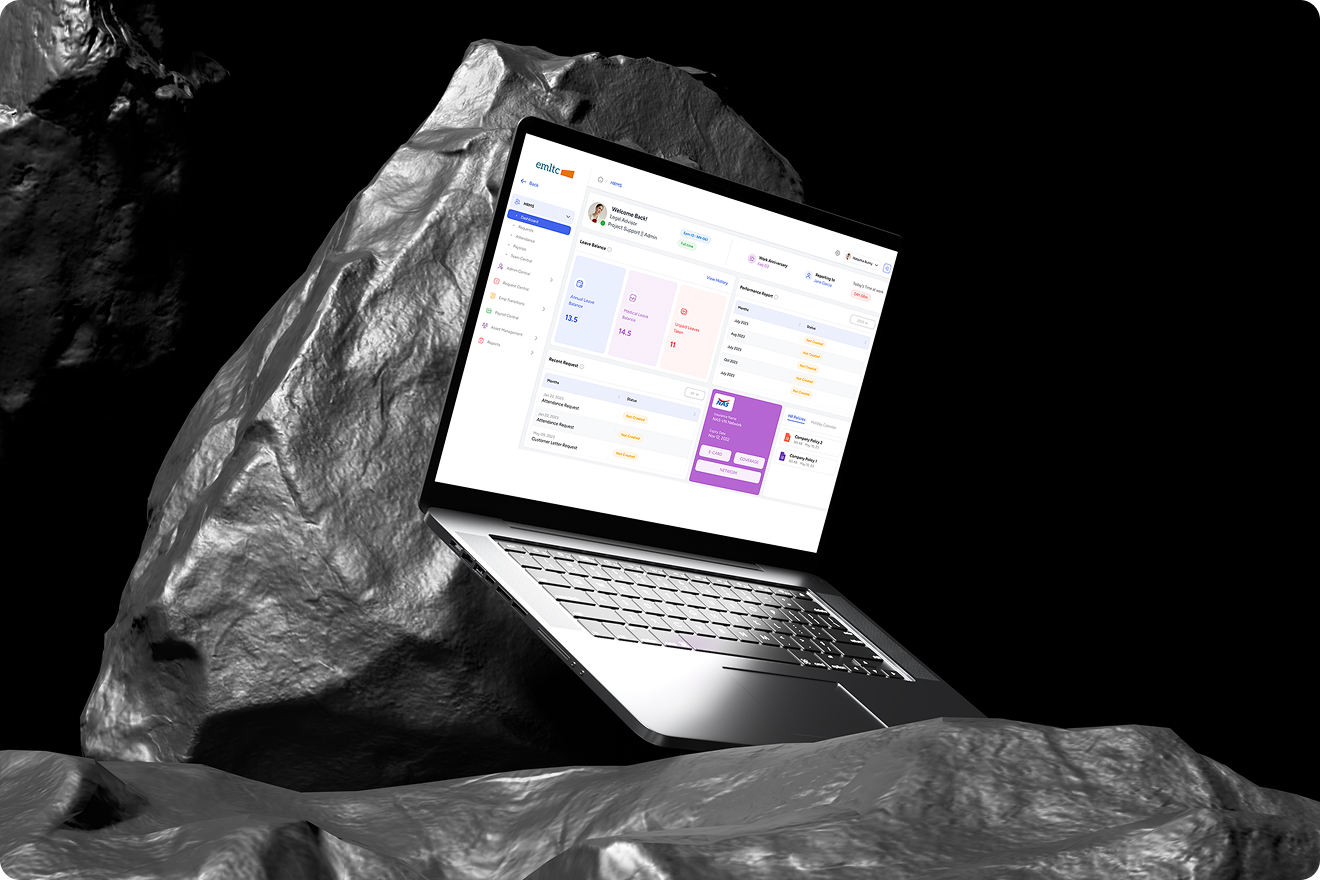
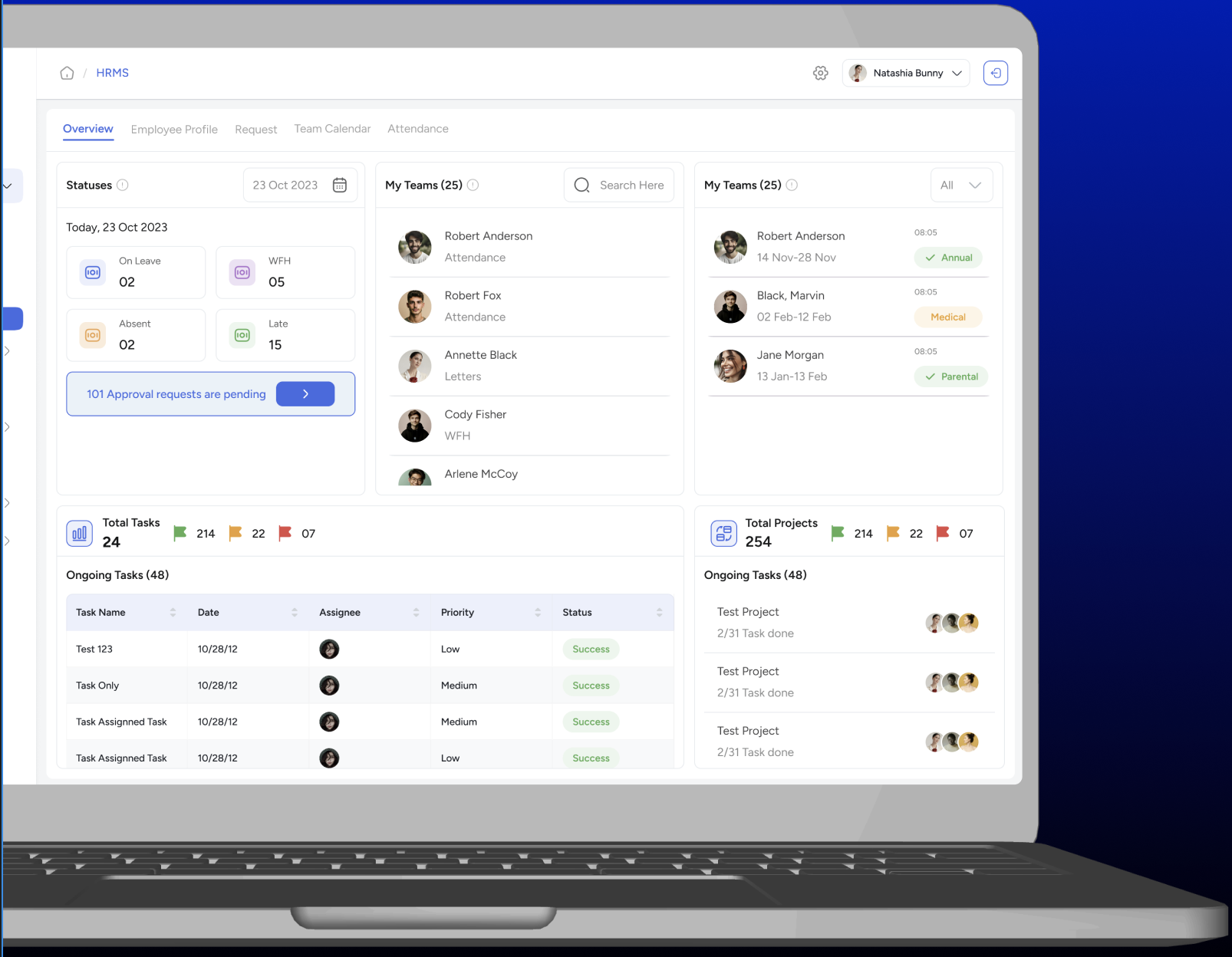
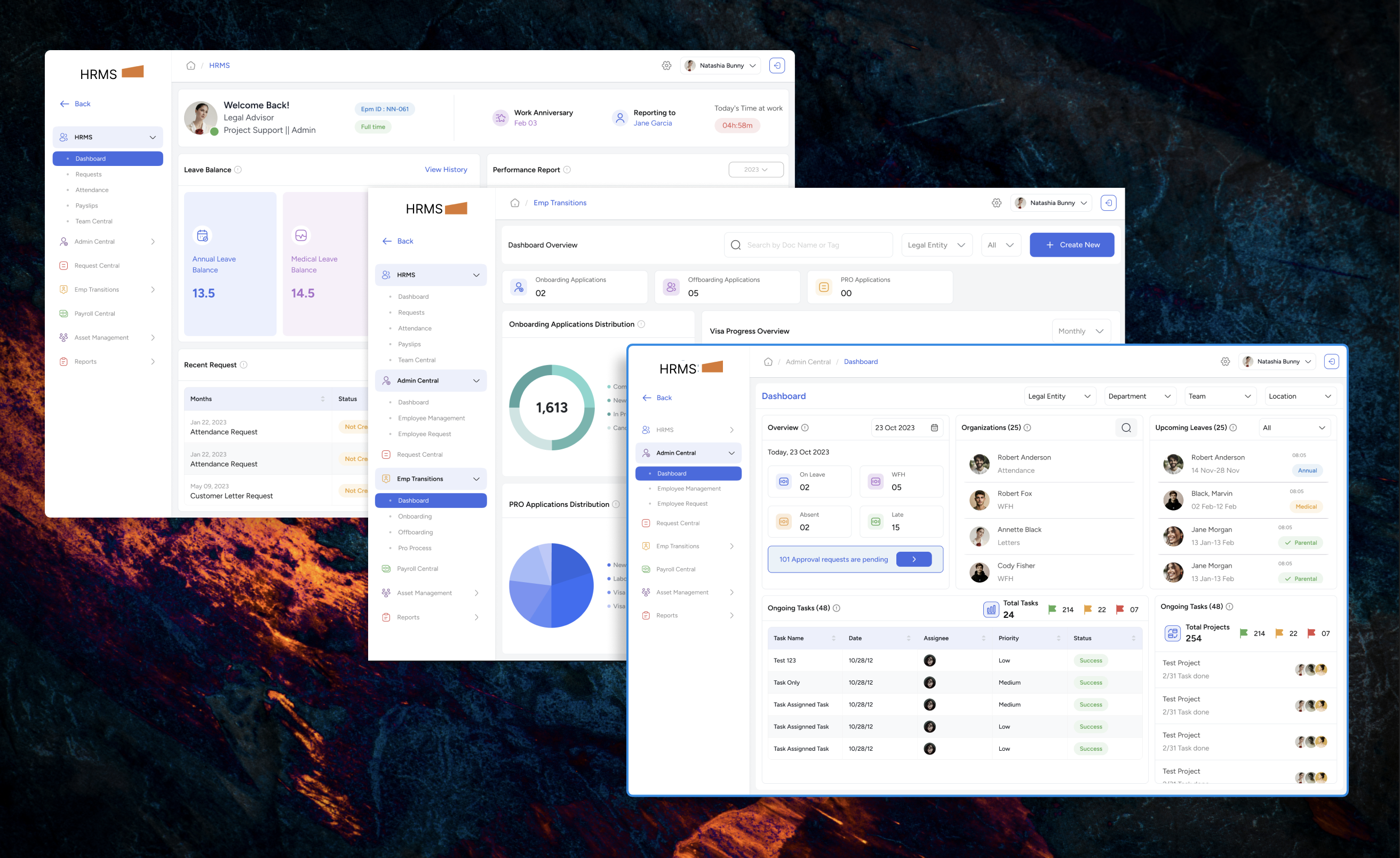
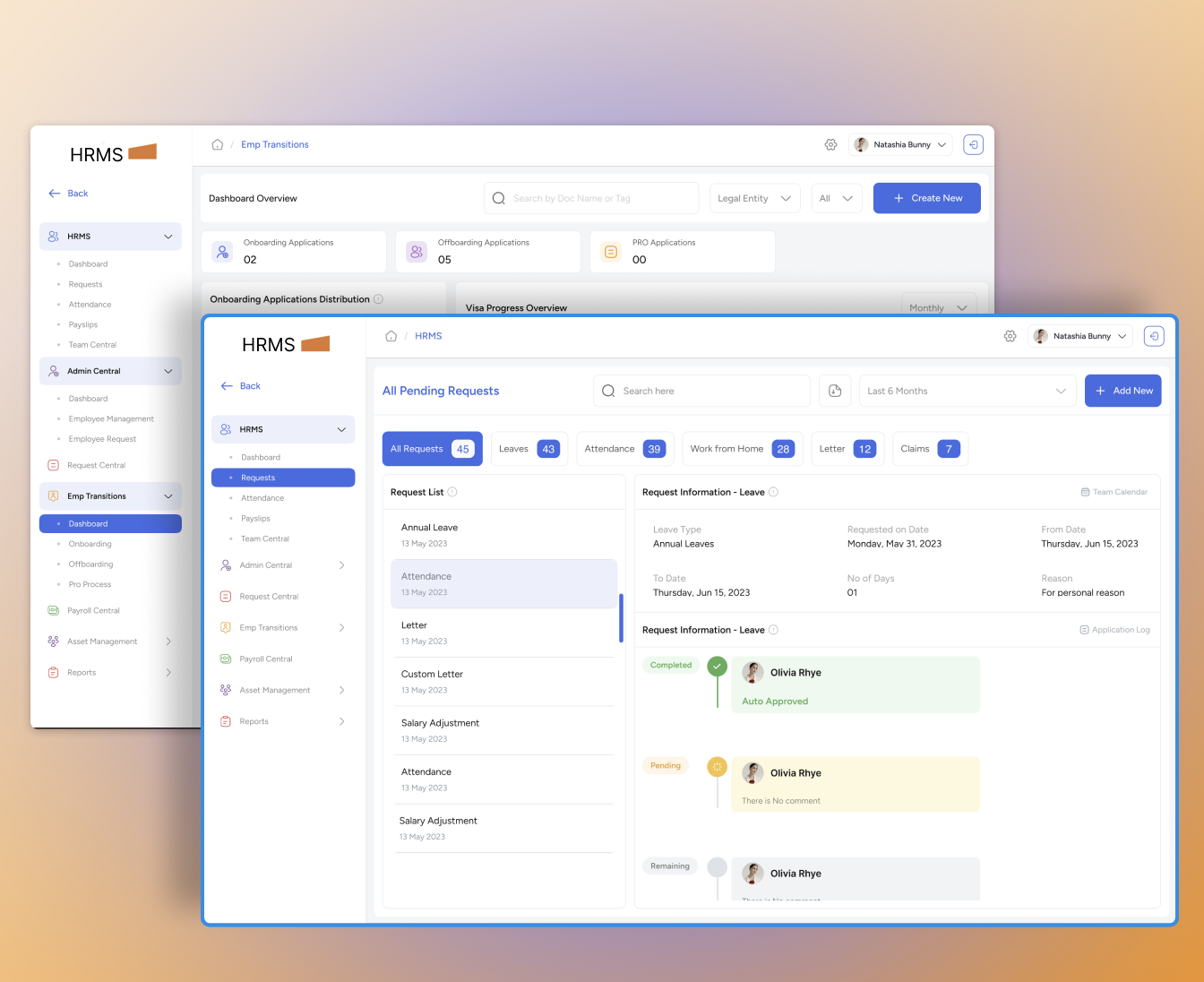
Star HRMS - Employee Management System Star

Project Overview

A Human-Centered HR Platform That Increased Productivity by 70%

What if HR professionals could spend less time battling clunky systems and more time nurturing dynamic, engaged teams? That vision inspired the creation of ValueHRM — a next-generation Human Resource Management (HRM) platform built to streamline operations, empower teams, and drive organizational growth.

Roles & Responsibilities

As the UI/UX Designer, I led the creation of an intuitive, visually engaging interface while elevating the overall user experience. My contributions included wireframing, prototyping, and iterating on design solutions to ensure a smooth and empowering experience for HR professionals, managers, and employees.

I worked closely with stakeholders to translate complex needs into a user-friendly platform—one that reflected the core message: Efficiency Beyond Borders. HRM Simplified.

HRM that changes the game!

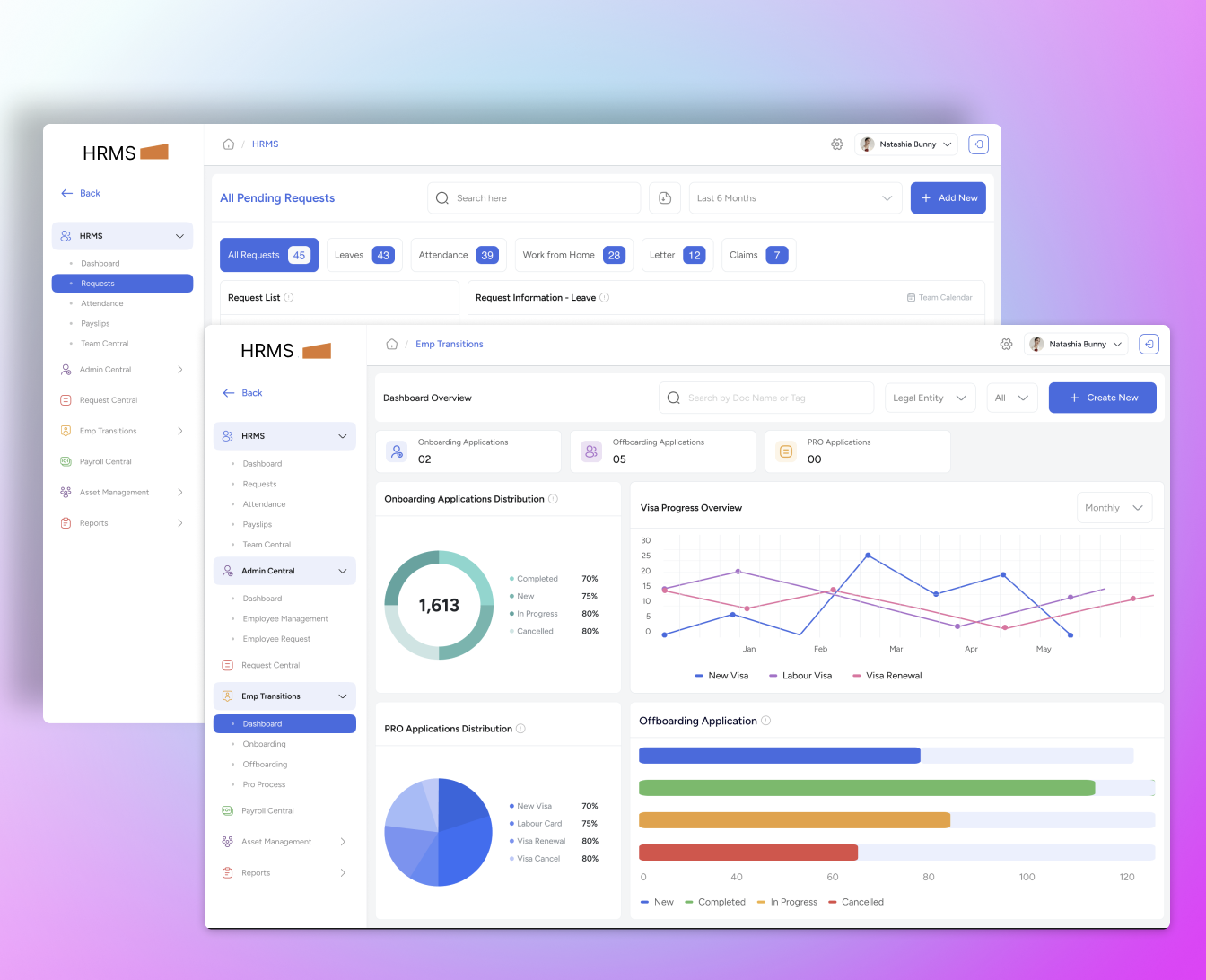
A modern, intuitive HR management system that could empower HR professionals, streamline operations, and enhance the employee experience.

PROBLEM

HR managers often rely on multiple disconnected tools for tasks like onboarding, payroll, and productivity tracking. This fragmented setup is time-consuming, lacks a centralized overview, and is burdened by manual processes and scattered documentation.

As a result, HR teams are overwhelmed by repetitive tasks, leaving little room to focus on strategic priorities such as talent development and employee engagement.

Research and analysis

To design an intuitive HR platform, I conducted lightweight research using empathy-driven surveys and competitive analysis.

Idea generation

With these insights, I began brainstorming streamlined user flows, focusing on automation, visibility, and simplicity.

Design and testing

I translated concepts into interactive prototypes and conducted usability testing with real HR professionals.

Evaluation and refining

Based on testing feedback, I iterated on the layout, navigation, and workflow logic, simplifying actions and improving visibility.

SOLUTION

To design a all-in-one HRM platform that streamlines onboarding, automates routine tasks, and fosters employee engagement, aimed to cut onboarding time by 85%, improve HR efficiency, and empower employees.

User Research

Although I didn’t begin with a formal research sprint, I recognized the importance of understanding real-world HR challenges. To gather meaningful insights, I conducted a brief empathy-driven survey targeting HR managers and operations leads. Additionally, I analyzed user reviews on competing platforms via TrustPilot to identify common pain points and expectations.

  • Identify the biggest friction points HR teams face
  • Understand user expectations for an intuitive HR application
  • Pinpoint where existing systems fall short

Key Insights (My “Aha! 💡” Moments)

  1. HR Professionals: Needed a streamlined dashboard offering quick access to analytics and overviews, enabling data-driven decisions with minimal clicks. Onboarding processes were often inconsistent and overly manual.
  2. Managers: Sought intuitive tools to track tasks, evaluate performance, and maintain clear reporting structures—all with minimal training required.
  3. Employees: Desired self-service capabilities for managing leave, accessing documents, submitting feedback, and tracking projects—ideally from anywhere.
  4. Shared Frustration: Across all user groups, the demand was clear—simplicity and speed. Existing systems were often seen as obstacles rather than enablers.

Competitive Analysis

I analyzed key players in the HR tech landscape to uncover their strengths and limitations. These insights are instrumental in shaping our strategic direction and identifying opportunities for differentiation.

Provides comprehensive tools for employee lifecycle management, from recruitment and onboarding to retention and exit.

Focuses on employee management and productivity optimization.

Specializes in reporting and payment management solutions.
Conclusion

The HRMS redesign has significantly streamlined HR processes and enhanced the overall user experience. By focusing on user needs and iterative development, the system now supports efficient HR management and empowers employees to take control of their HR needs. The tangible results of this project highlight the importance of a thoughtful UI/UX approach in transforming complex systems and driving organizational growth.

Scroll to Top